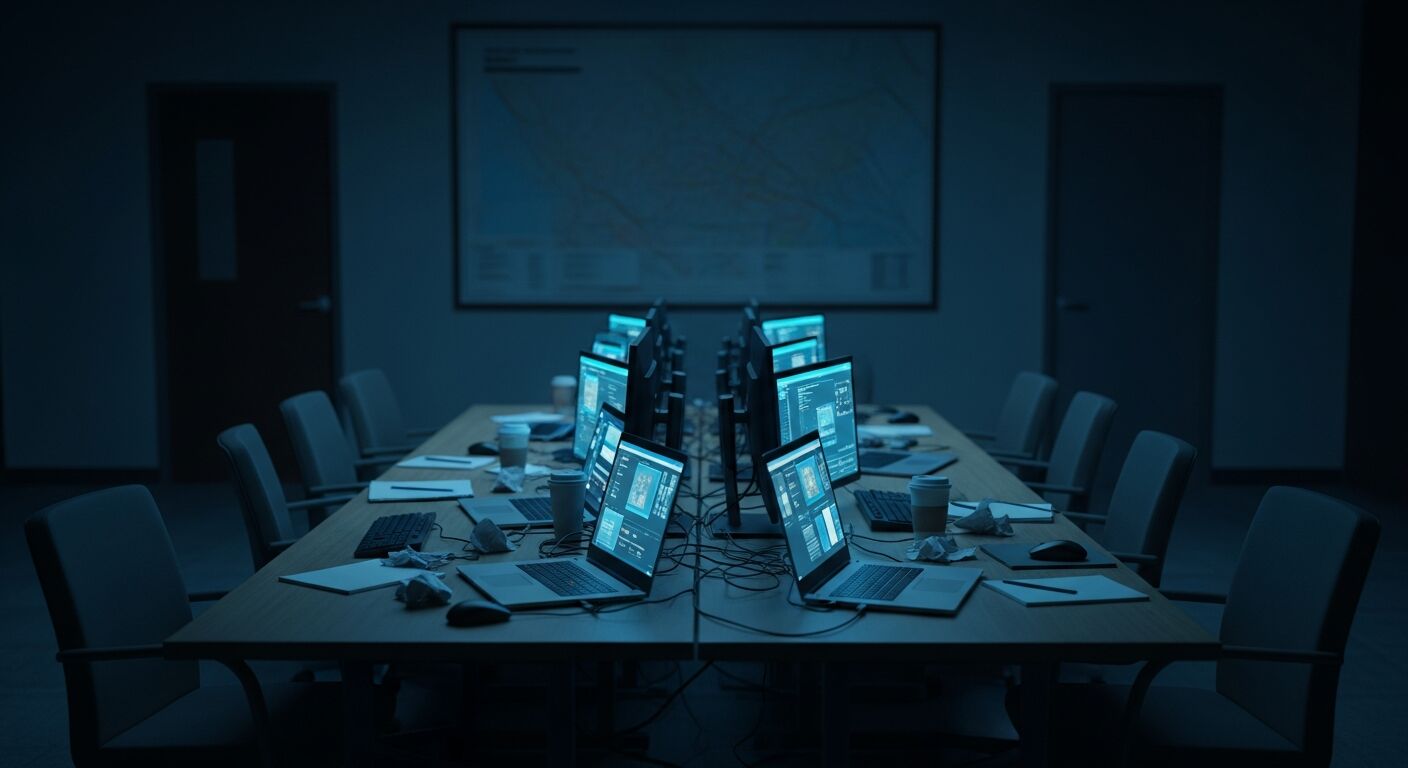
By the end of the week, the room felt heavier than when it began. Laptops stayed open late. Phones buzzed nonstop. Investigators and task force officers sat shoulder to shoulder, posing as minors, answering messages from adults who knew exactly what they were trying to do. The chats were direct, disturbing, and impossible to shrug off. Then came the meet locations, the surveillance, the arrests, and the long process of documenting everything so the case would hold.
That kind of work changes you, even when you have done it before. Spending days in conversation with people targeting children is disheartening. It can cost you some faith in humanity. But if you spend that same week around the men and women doing this work well, with discipline and real care, you gain some of it back.
This side of law enforcement still does not get talked about honestly enough. People hear about an operation and see the arrest photos. What they often do not see is the patience, coordination, restraint, and emotional control required to do the job right. They also do not see the people behind it, investigators, analysts, digital forensic staff, supervisors, prosecutors, and support personnel, all carrying a burden that does not end when the shift does.
The work is disturbing, but it is deliberate
From the outside, these operations can sound straightforward. An undercover officer goes online, starts a conversation, identifies criminal intent, arranges a meeting, and the team makes an arrest. In reality, every step requires care.
Investigators are not just reacting. They are documenting. They are preserving evidence in ways that can survive scrutiny in court. They are making decisions in real time about language, timing, safety, and probable cause. They are coordinating with surveillance teams, arrest teams, and often multiple agencies. One careless move can compromise the case or create unnecessary risk.
And then there is the mental side of it. Sitting in a room and chatting with child predators is not routine work, even for experienced people. It means reading explicit messages, hearing the rationalizations offenders use, and staying composed enough to keep the interaction on track. You cannot let anger take over. You cannot rush. You have to stay sharp, because details matter.
That is one of the hardest things for outsiders to understand. Good undercover work is not loud. It is controlled. The team has to be calm when the subject is not. They have to stay focused when the content is vile. They have to think two steps ahead while also keeping a clean evidentiary record. That takes professionalism, and it takes trust in the people sitting beside you.
In a well-run operation, that trust is obvious. People know their role. They communicate clearly. They cross-check facts. They do not cut corners just because emotions are running high. They build the case carefully, because protecting children also means making sure offenders are held accountable in a way that stands up in court.
The emotional toll is real, whether people say it out loud or not
Talk to anyone who has worked child exploitation cases for a meaningful stretch of time and you will hear some version of the same truth. This work sticks with you. It follows you home. Sometimes it shows up as anger. Sometimes as numbness. Sometimes as the inability to stop thinking about a chat log, a video, or the age of the child in a case file.
There is still a tendency in some places to treat that as just part of the job, as if acknowledging the toll is a sign of weakness. It is not. It is reality. The people doing this work are exposed to material and conversations that most people never encounter, and they are expected to process it while staying effective, professional, and precise.
That is why the quality of the team matters so much. During a long week like this, what stands out is not only the ugliness of the crimes. It is the steadiness of the people responding to them. The quiet check-ins. The dark humor used carefully to cut the tension. The supervisor who knows when someone needs a break. The teammate who catches an evidentiary detail everyone else missed because they are still locked in, even after midnight.
None of that makes the work easy. But it makes it possible.
Agencies that handle these cases well usually have a few things in common:
- Clear case workflows, so evidence, communications, and operational steps do not get lost in the rush.
- Strong supervision, especially around legal review, safety planning, and post-arrest follow-up.
- Peer support and mental health resources, treated as part of readiness, not an afterthought.
- Good documentation habits, because these cases often involve multiple systems, devices, screenshots, reports, and interagency handoffs.
That last point matters more than people think. Child exploitation investigations generate a lot of moving parts very quickly. Undercover chats, suspect identifiers, meet details, arrest notes, seized devices, forensic requests, case supplements, prosecutor coordination, victim-related intelligence if it develops, all of it needs to be organized. When the administrative side breaks down, the investigative side suffers too. People waste time hunting for details they should have at hand. Important context gets trapped in text messages, inboxes, or separate files. That creates risk in cases where there is already more than enough of it.
The people doing this work are why faith comes back
If you spend a week watching offenders volunteer horrifying intent, it is easy to feel cynical. Easy to think the worst of people. That reaction is understandable. But it is only half the picture.
The other half is the room full of professionals who choose to confront that reality head-on. Not because it is exciting. Not because anyone is looking over their shoulder. But because children need adults who are willing to step into ugly places and do careful, lawful, difficult work.
That is what restores faith. Not slogans. Not headlines. Competence. Integrity. Teamwork. The willingness to do the hard thing repeatedly, even when it wears on you.
Across these operations, you see people bringing different skills to the same mission. One investigator is excellent in chat and knows exactly how to keep a conversation moving without getting ahead of the evidence. Another is meticulous on surveillance and pre-operational planning. Another is the person everyone trusts to write the report that captures the facts clearly and completely. Digital evidence staff preserve the trail. Prosecutors help shape the case early. Supervisors keep the tempo steady and the standards high.
That combination matters. Child exploitation enforcement is not about one heroic moment. It is about a chain of good decisions made by good people under ugly circumstances.
It is also a reminder that protecting children depends on more than making arrests. It depends on building agencies and task forces that can sustain this work over time. That means training people well. Giving them systems that help rather than slow them down. Making sure information is accessible, organized, and ready when the next shift starts. And taking the emotional impact seriously enough to support the people carrying it.
For anyone outside this work, it is worth understanding that these operations are not abstract exercises. They are direct interventions. Every arrest represents a situation that moved closer to a real child until law enforcement stepped in. That is why the work matters, even when it is exhausting. That is why teams keep doing it.
The concrete takeaway is simple. If your agency works child exploitation cases, do not focus only on tactics. Focus just as hard on the people and the process. Protect your case integrity. Support your investigators. Keep your information organized. Make room for the emotional weight of the work. The crimes will test your faith in humanity. The professionals doing this job the right way will help restore it.
Built for the case. Designed for the human.
ShieldView keeps ICAC and SVU cases organized while protecting the investigators who work them — combining case integrity with built-in wellness monitoring.